Garage Doors in Cundles, OntarioOpen on time.Every morning.
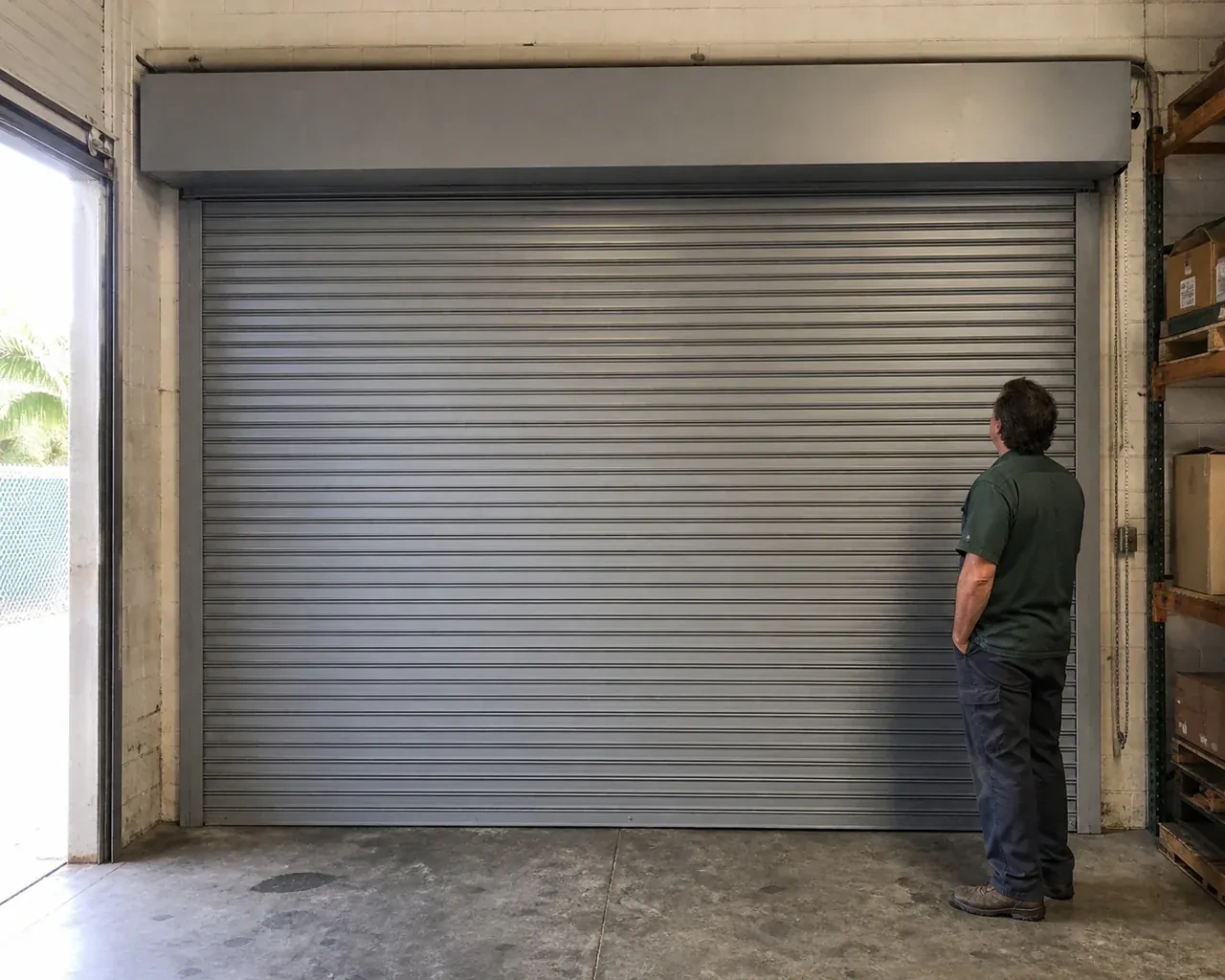
A business in Cundles cannot serve customers behind a door that will not lift. We keep shop doors, loading bays and service bays moving with the operators, springs and safety edges they need, schedule the work around your trading hours, and set up a maintenance routine so surprises become rare. The same crew covers Little Lake.
A business in Cundles cannot serve customers behind a door that will not lift. We keep shop doors, loading bays and service bays moving with the operators, springs and safety edges they need, schedule the work around your trading hours, and set up a maintenance routine so surprises become rare. The same crew covers Little Lake.
Tuned for the seasons it lives through.
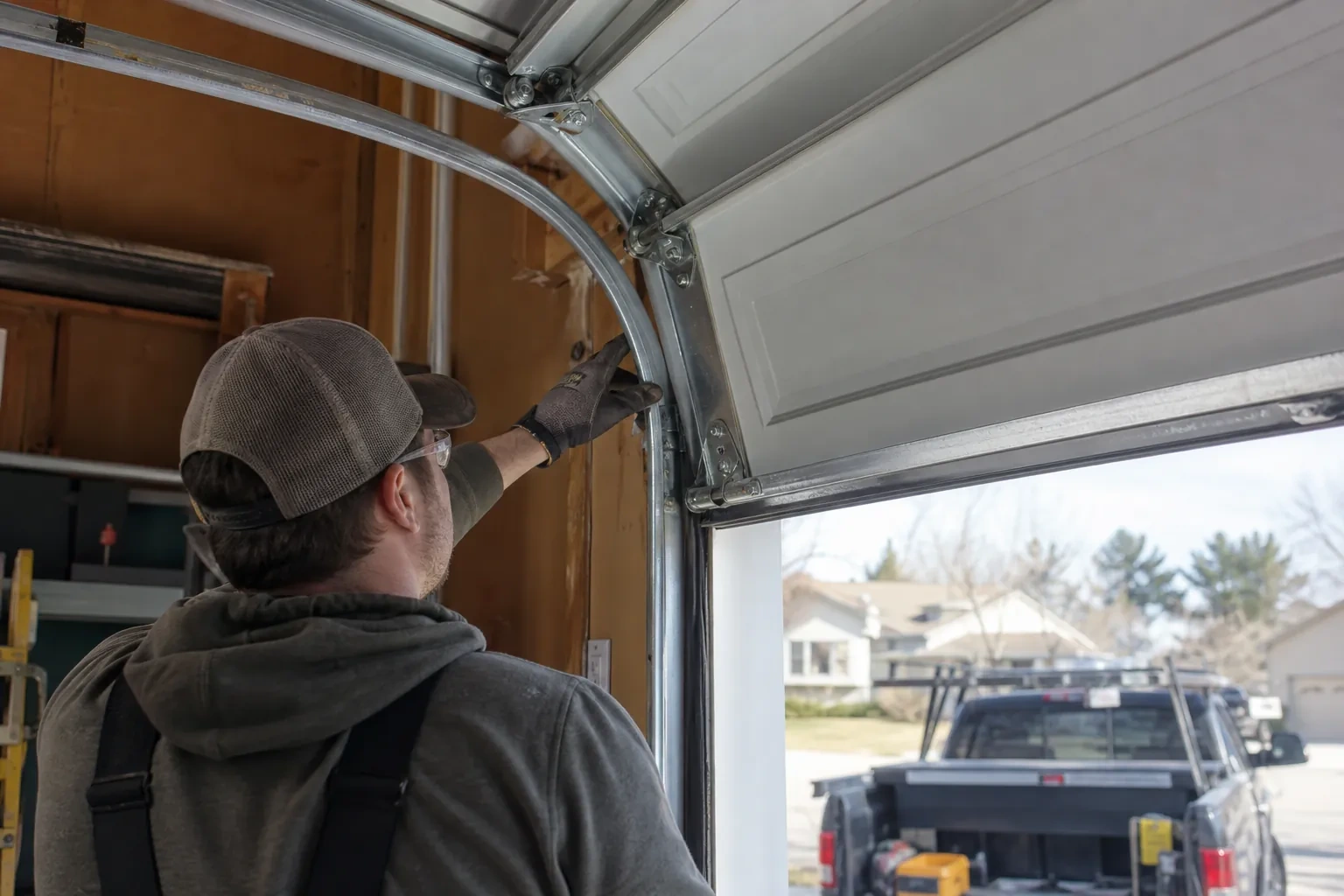
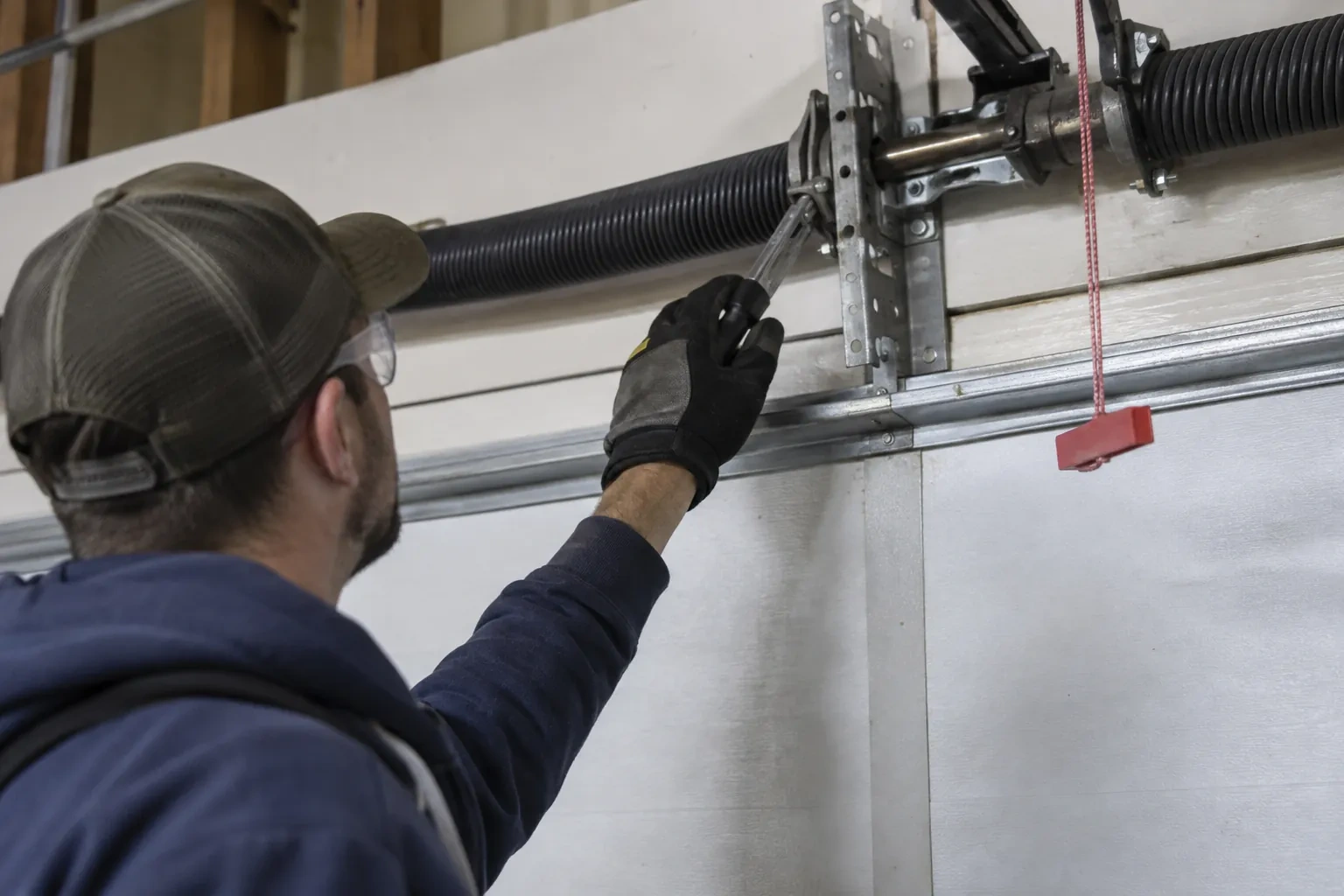
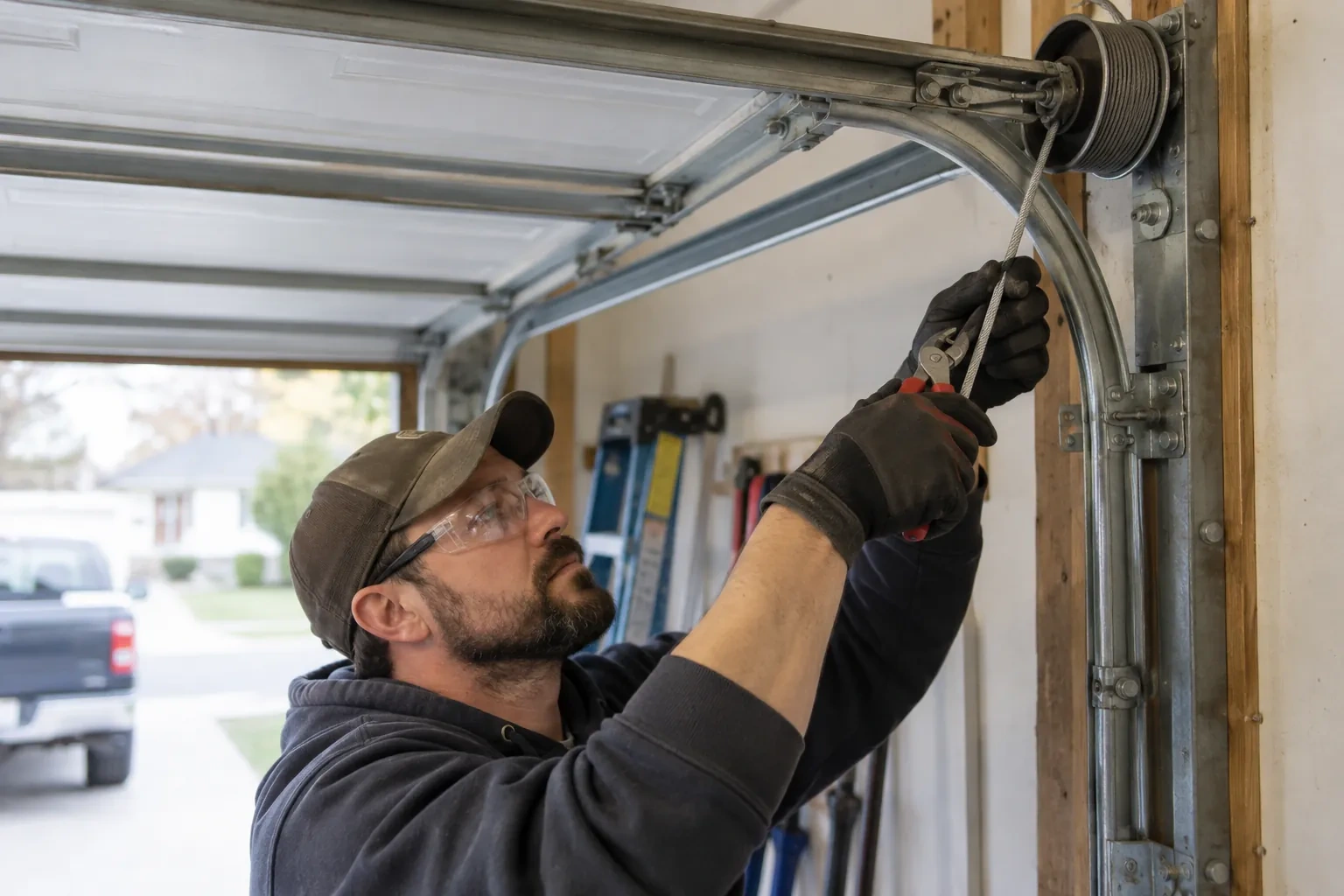
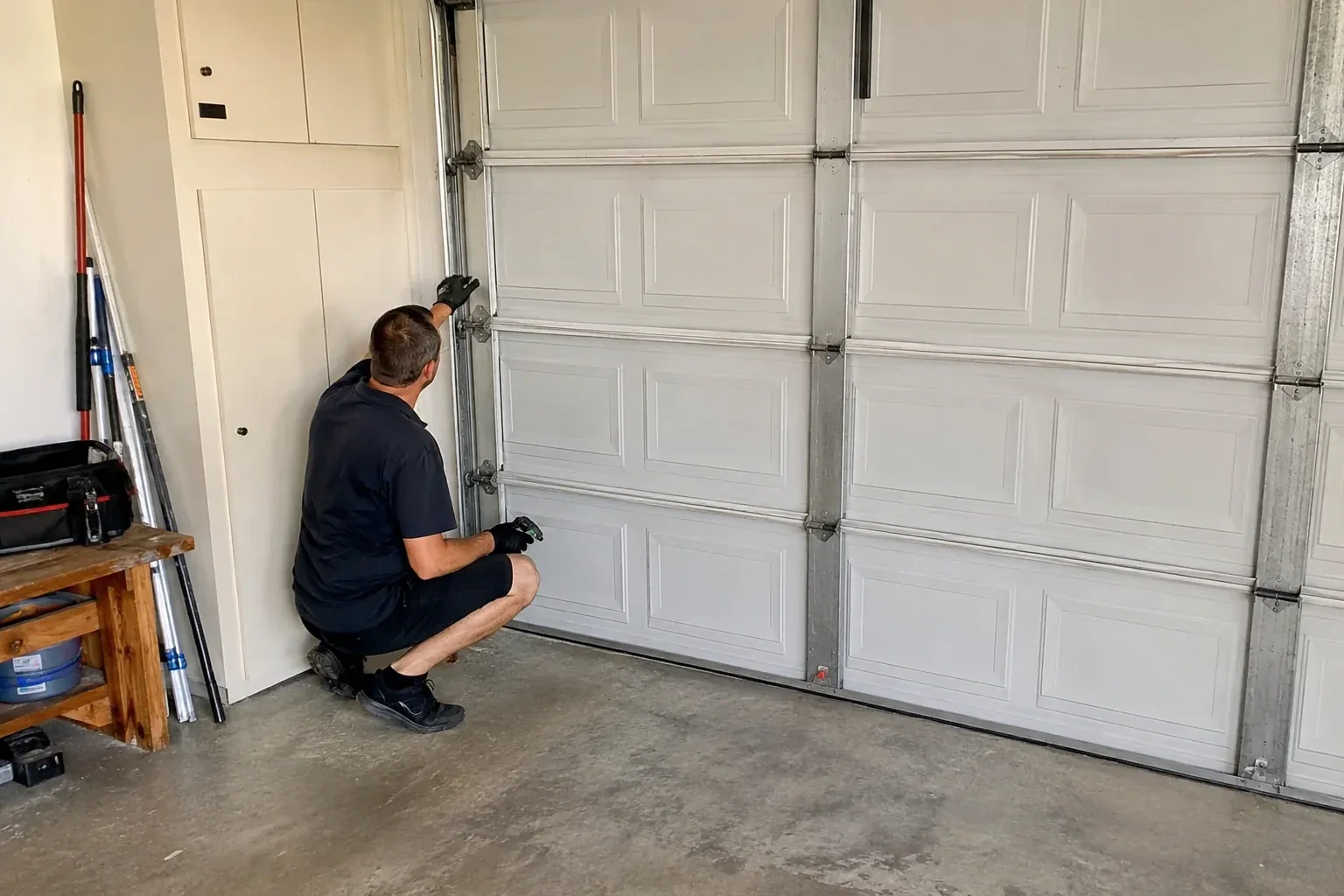
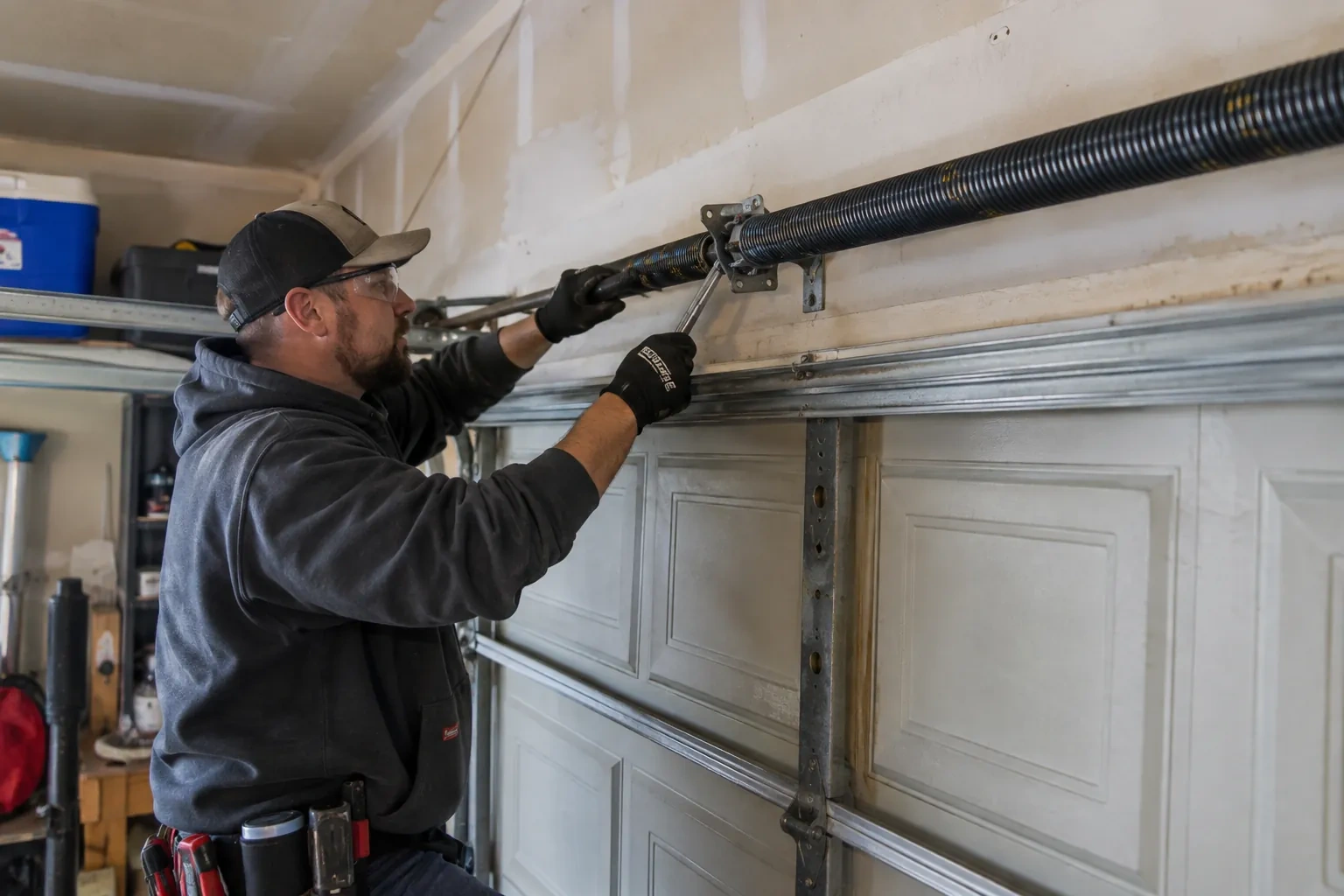
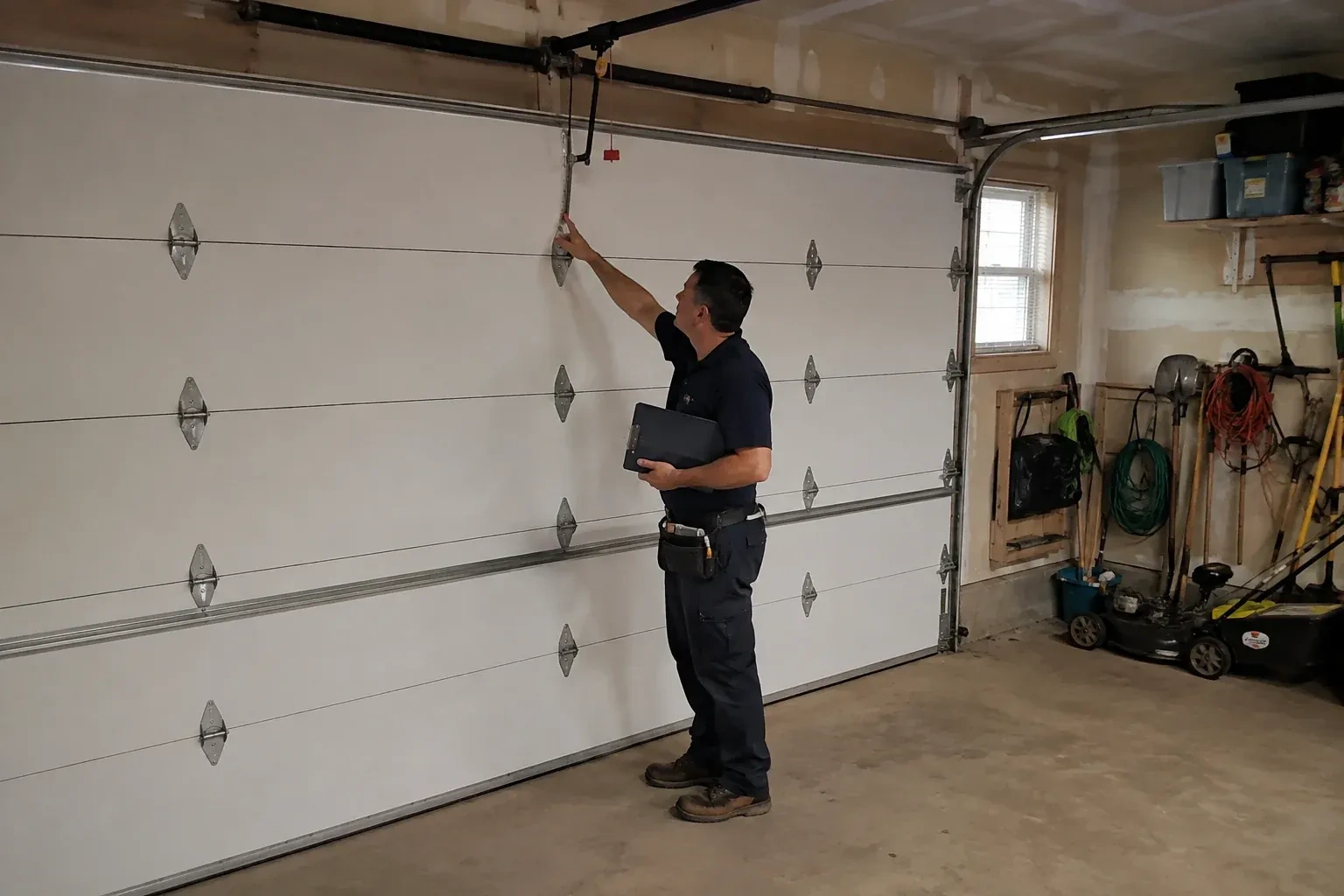
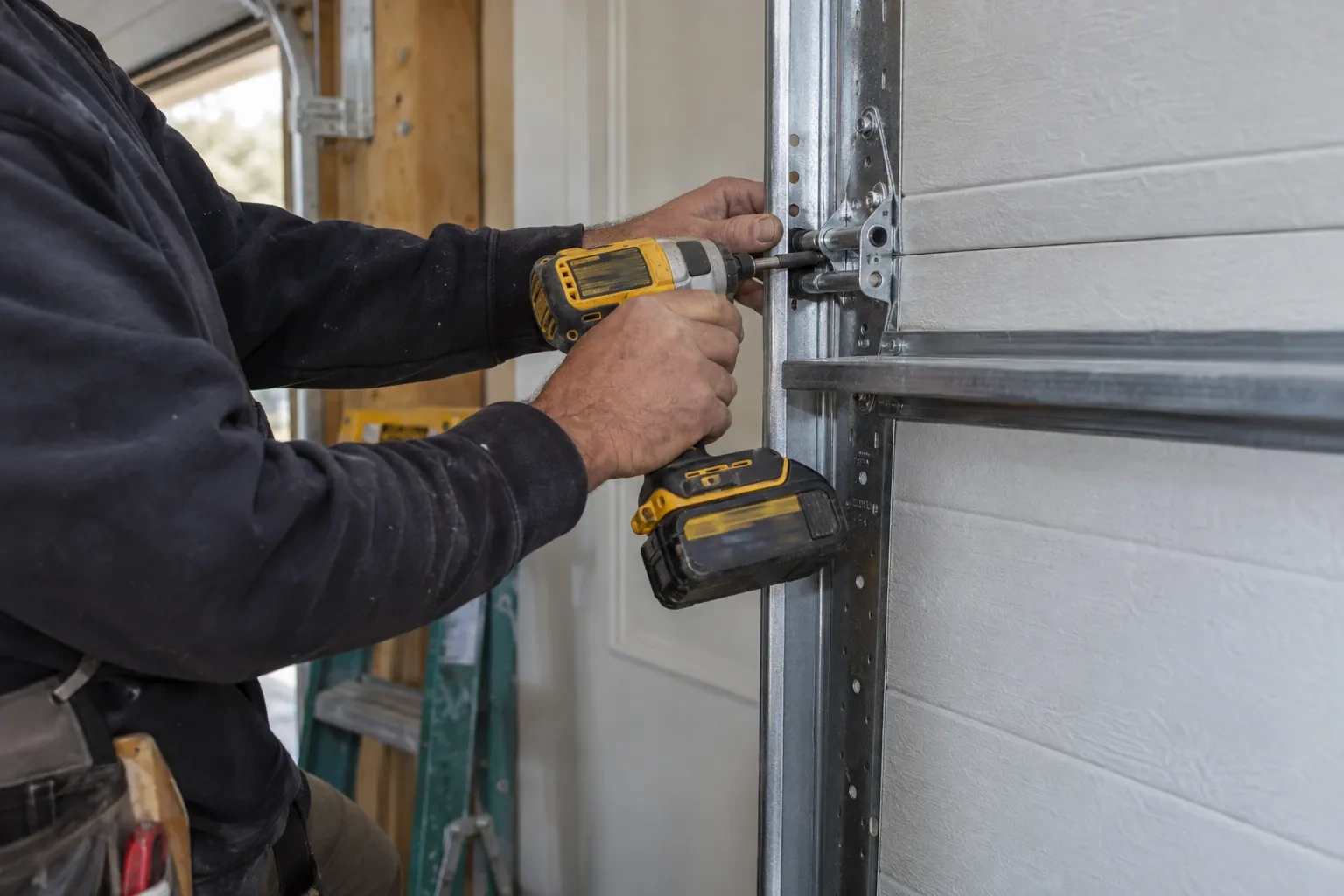
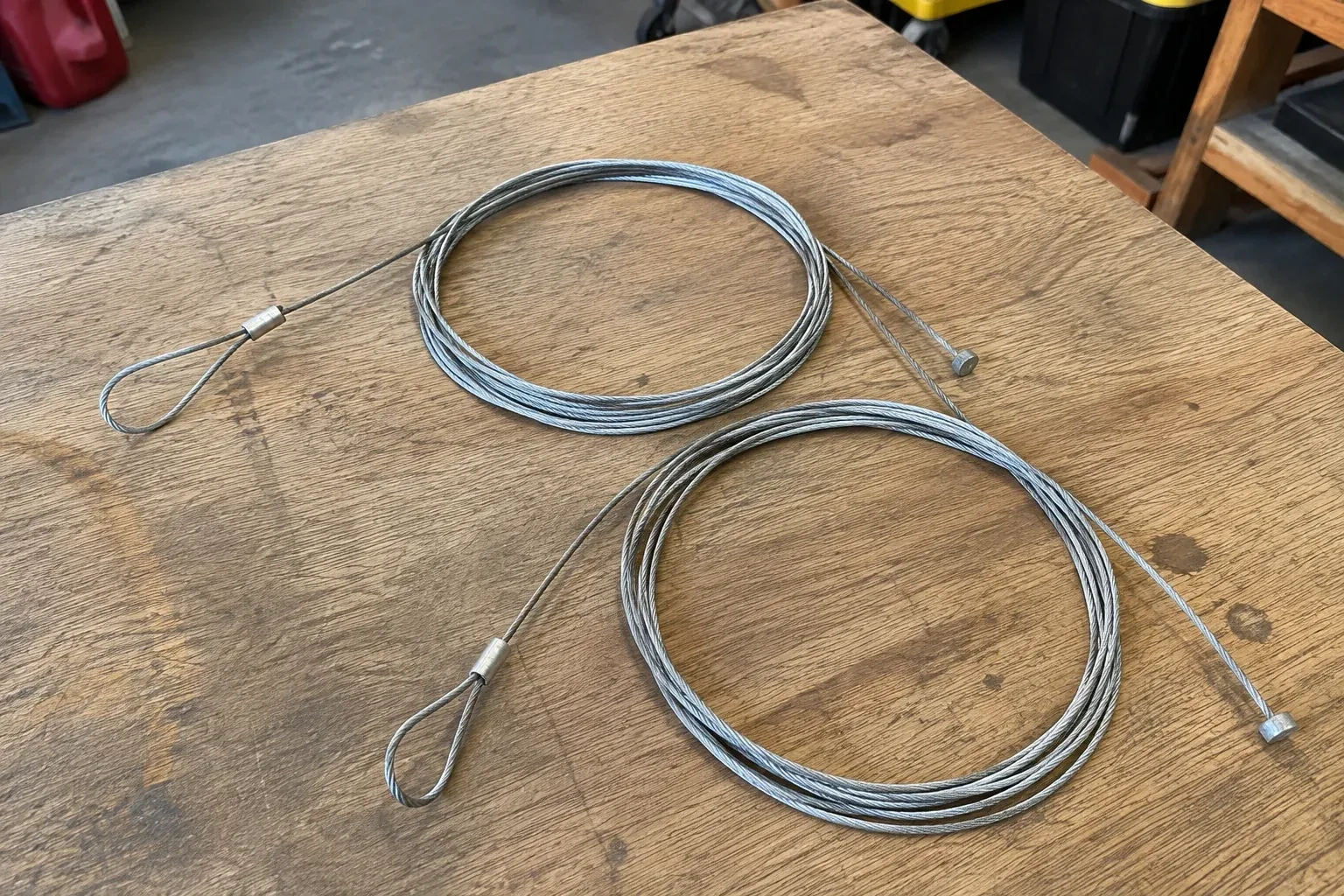
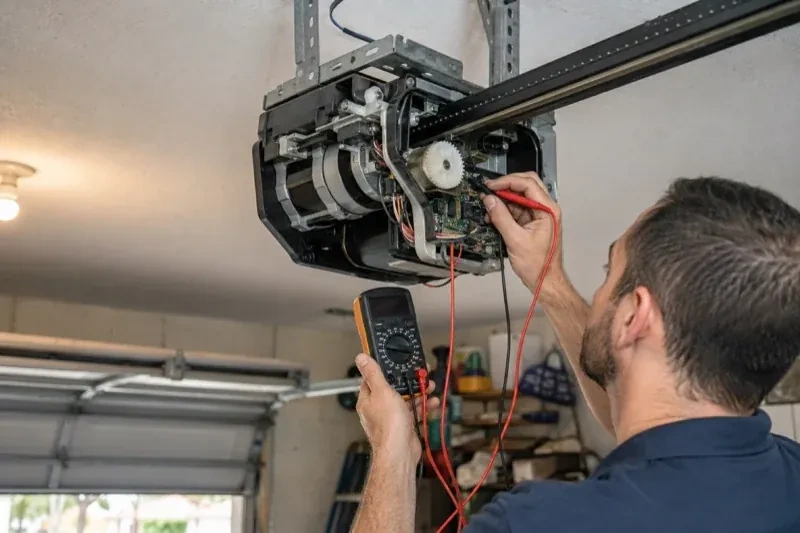
Our technicians in Cundles carry the winding bars, clamps, stands and gauges the work needs and use them every time, on every door. Spring sizes are measured, not guessed; cable lengths are matched to the drums; opener force is set with the door balanced. The result is a door that behaves.
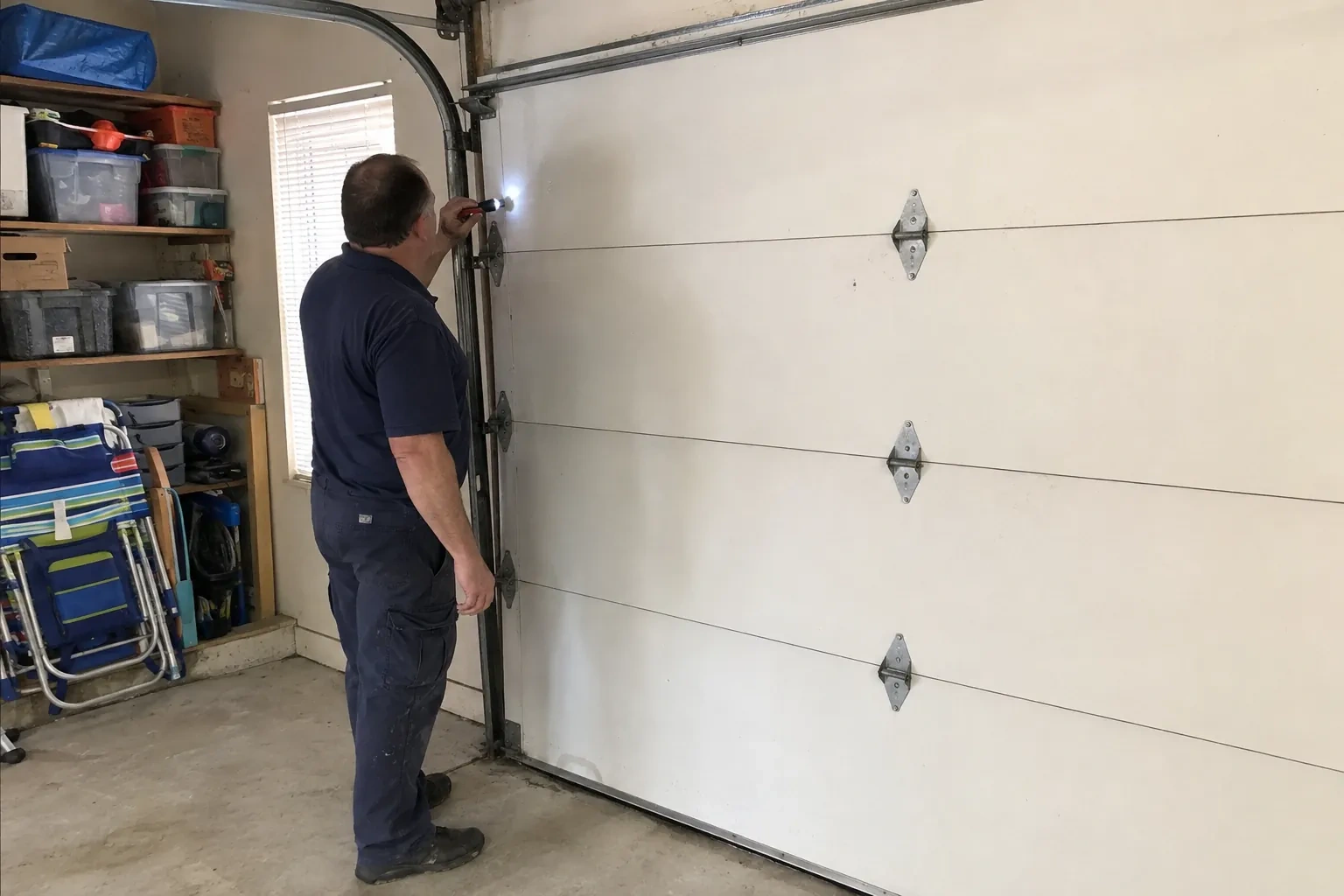
A properly balanced garage door is nearly silent, and in Cundles that quiet is something people notice after we leave. Rattles come from loose hinges and worn rollers, groans from dry bearings, a clatter on the way down from a door out of balance. We chase each sound to its source, replace what is worn and set the door to run the way it was meant to.
16years in business
24/7open every day
Honest about condition. You get a frank picture of the door's state, good parts included, so you know what to expect from it over the coming years.
Work that leaves no trace. Apart from a door that runs properly, you would not know we had been there. Clean floor, tidy hardware, nothing left behind.
Advice, then your decision. We recommend, we explain why, and then we do what you choose. The door belongs to you, and so does the decision.
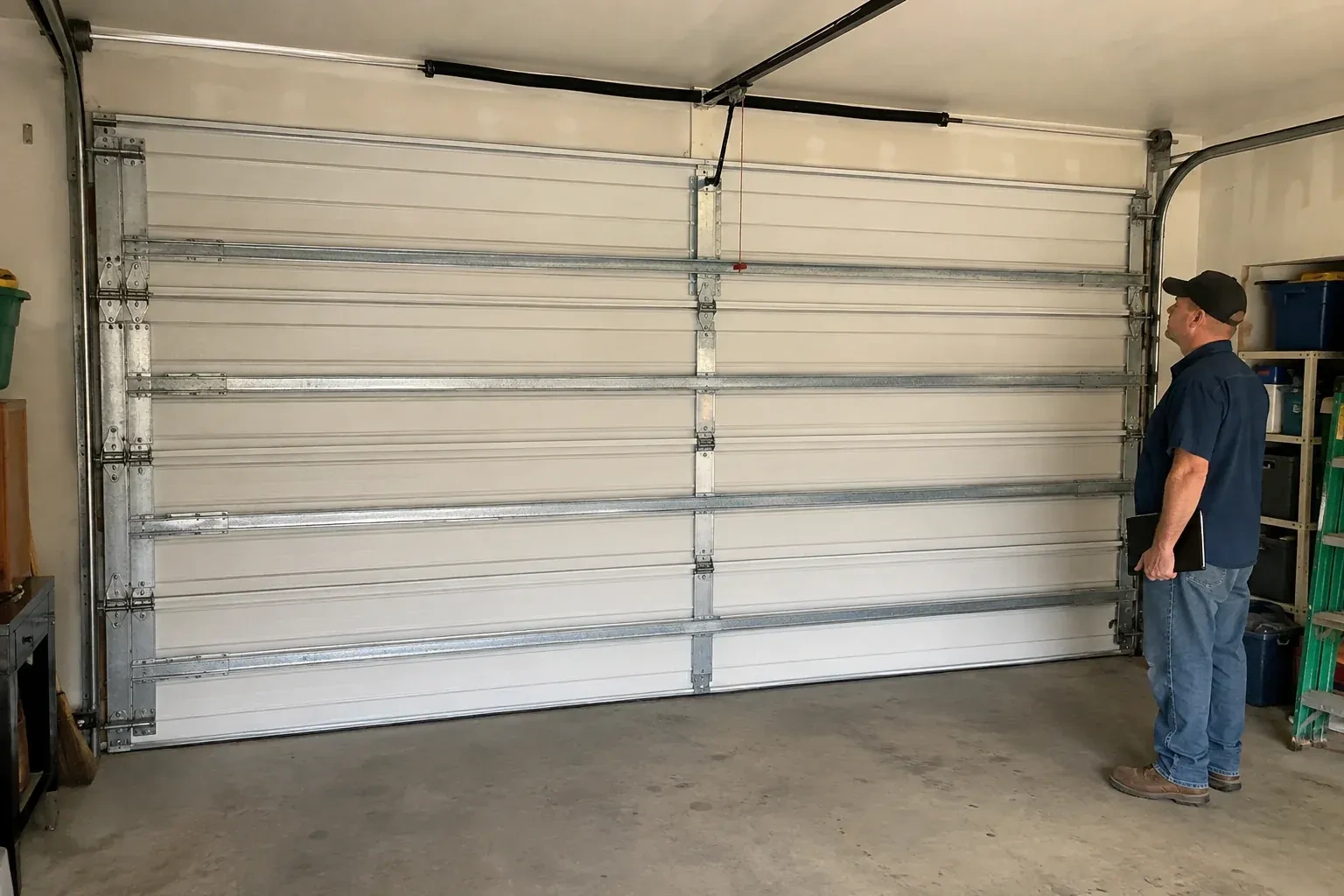
Have your Cundles garage door assessed at the house.
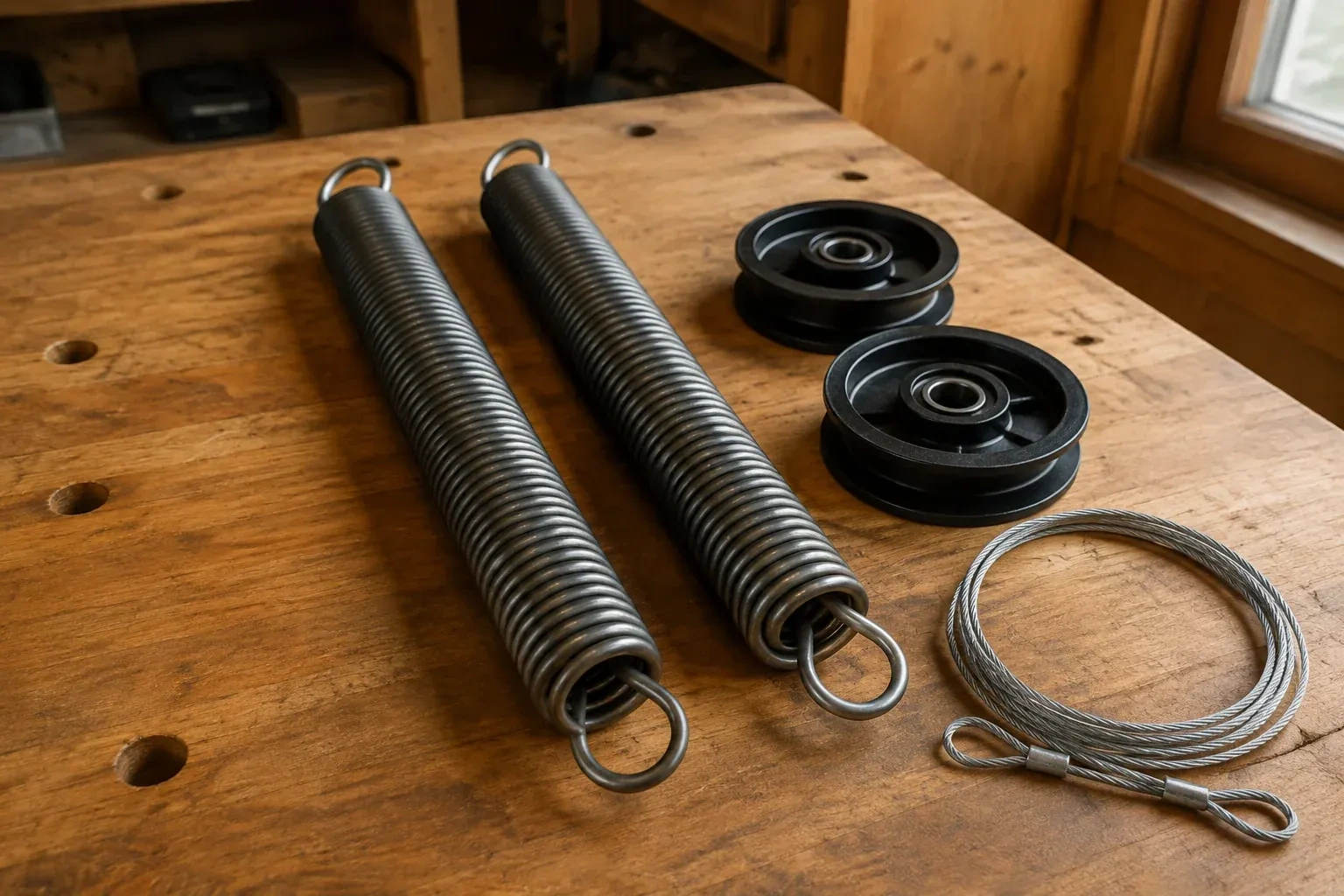
Owners of older homes in Cundles often need work on extension springs, wood doors and early openers, while newer homes tend to need torsion springs, belt-drive openers and insulated steel panels. We service both generations of door, and the pages below explain what applies to yours.
About 29% of homes in Barrie were built in 1980 or earlier, according to the 2021 Census.
Newer homes
Where homes are newer, the garage is usually attached and often has living space over it, so the door forms part of the insulated envelope. Insulated panels, tight perimeter weatherstrip and a good bottom seal make a real difference to the comfort of the room above.
Single-detached houses make up about 58% of homes in Barrie (2021 Census).
Where houses and attached homes sit together, the shared garage door on a small condo building may be a commercial operator on a heavy door, while the house next door runs a light residential unit. We service both types and carry parts for each.
On bright afternoons the door goes down a metre, stops, and climbs back up while the light on the opener blinks. After dark it closes perfectly. Nothing has changed except the weather.
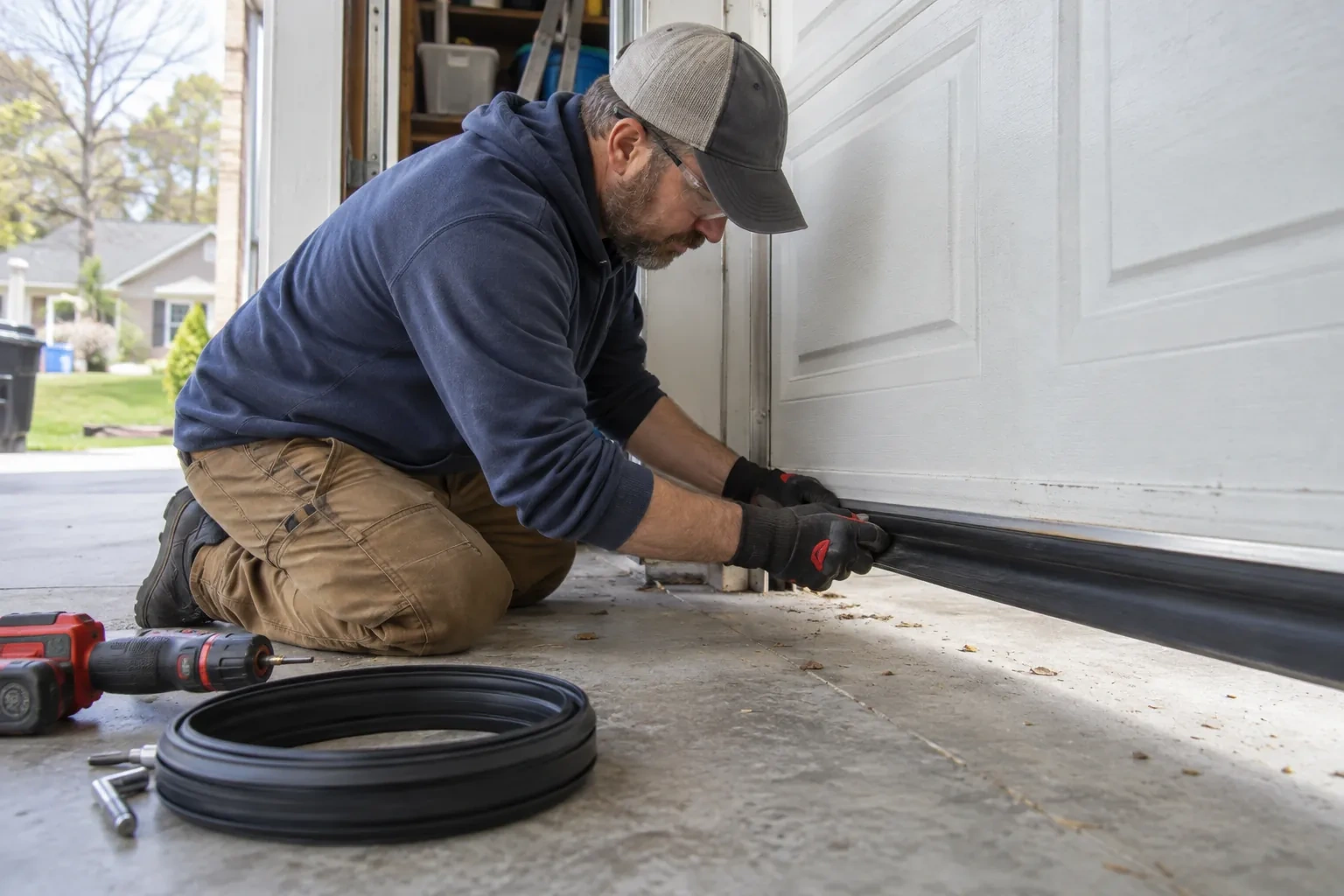
Every mild afternoon the snow melts off the car, runs to the door, and by morning the rubber strip along the bottom is frozen to the concrete. Last week the opener lifted the door and left half the seal on the floor.
The new door went in last year and looks perfect, but the old wooden stop and its tired seal were left in place. Along the top there is a gap you could slide a finger into, and the cold pours through it.
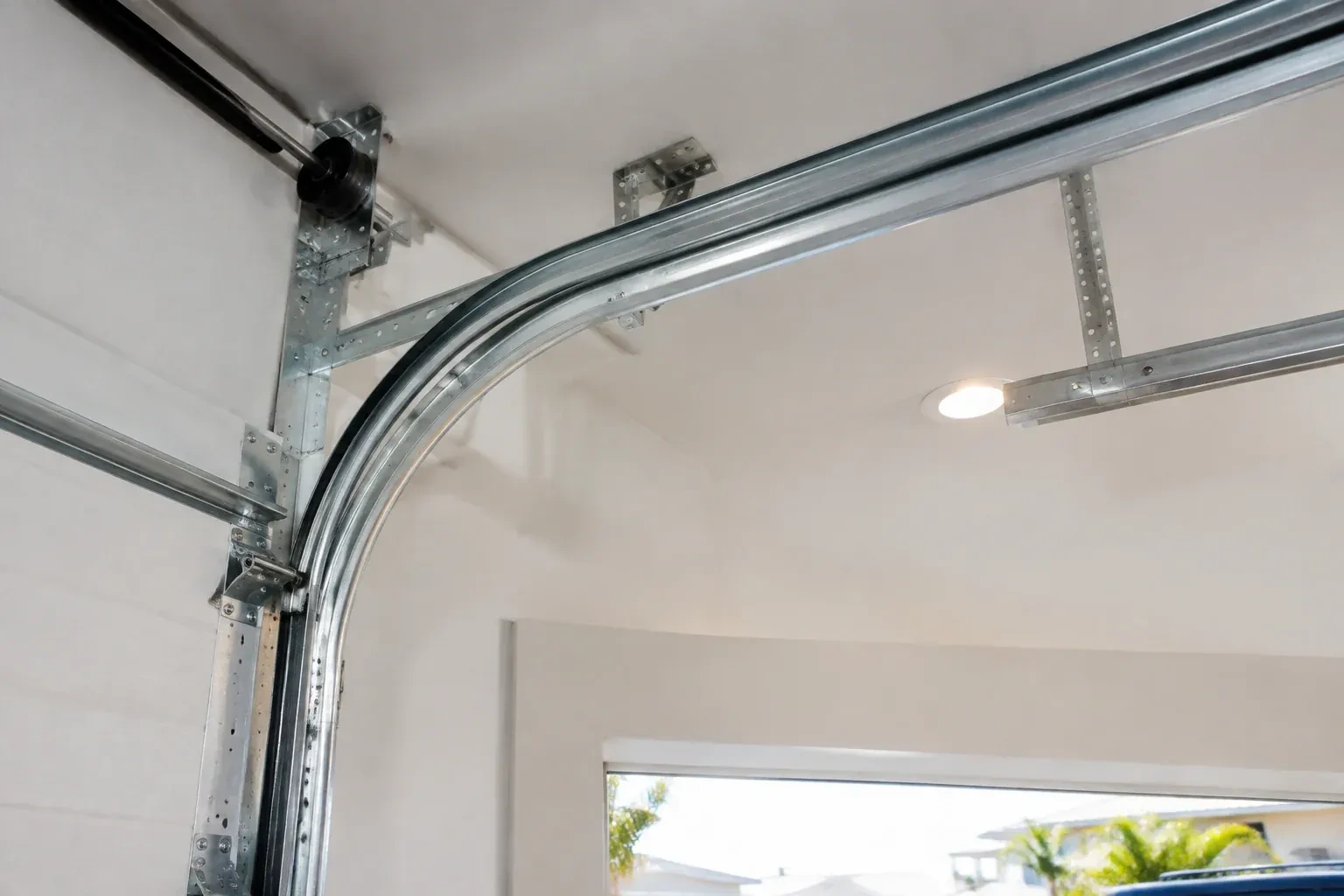
A roller near the top corner is riding on the lip of the track rather than inside it, and the section above leans back a little more each week. The door still moves, but it looks one bump away from coming out altogether.
The door has grown heavy so gradually you stopped noticing, until a visitor tried to lift it and could not. The opener still manages, but it sounds strained, the chain slaps on the way up, and the wall button gets pressed twice most mornings.
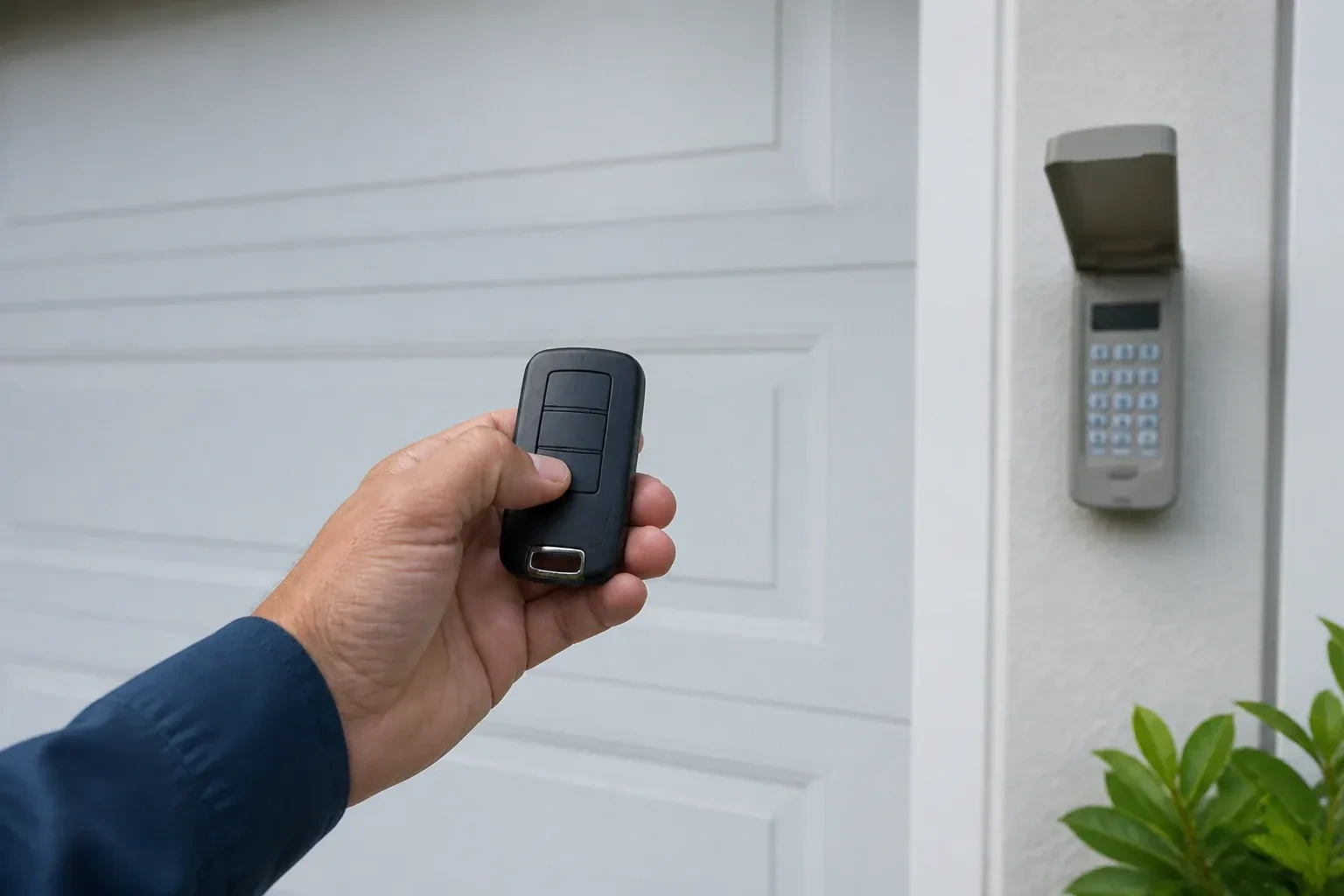
You bought a new remote at the hardware store, followed the little leaflet twice, and the opener light never blinked. The old remote still works. The new one does nothing at all, from the driveway or standing directly under the motor.
After a week of lifting the door by hand you pressed the button, hoping it would catch. Instead the motor grinds, the trolley thumps against the end of the rail, and the little lever that should snap back stays stubbornly upright.
After an impact, the door has a deep crease across two panels. Rollers hesitate where those sections enter the curve, daylight shows beside the jamb, and the closed face no longer sits flat in the opening.
Your renovation drawings call for a garage door with a stated design pressure, yet the existing door has no readable label or installation record. The replacement now needs to match the opening and the project documents.
The rolling door starts upward, then one side rises ahead of the other. Its bottom bar sits on an angle, several slats scrape the guide, and the opening is no longer clear enough for normal shipping traffic.
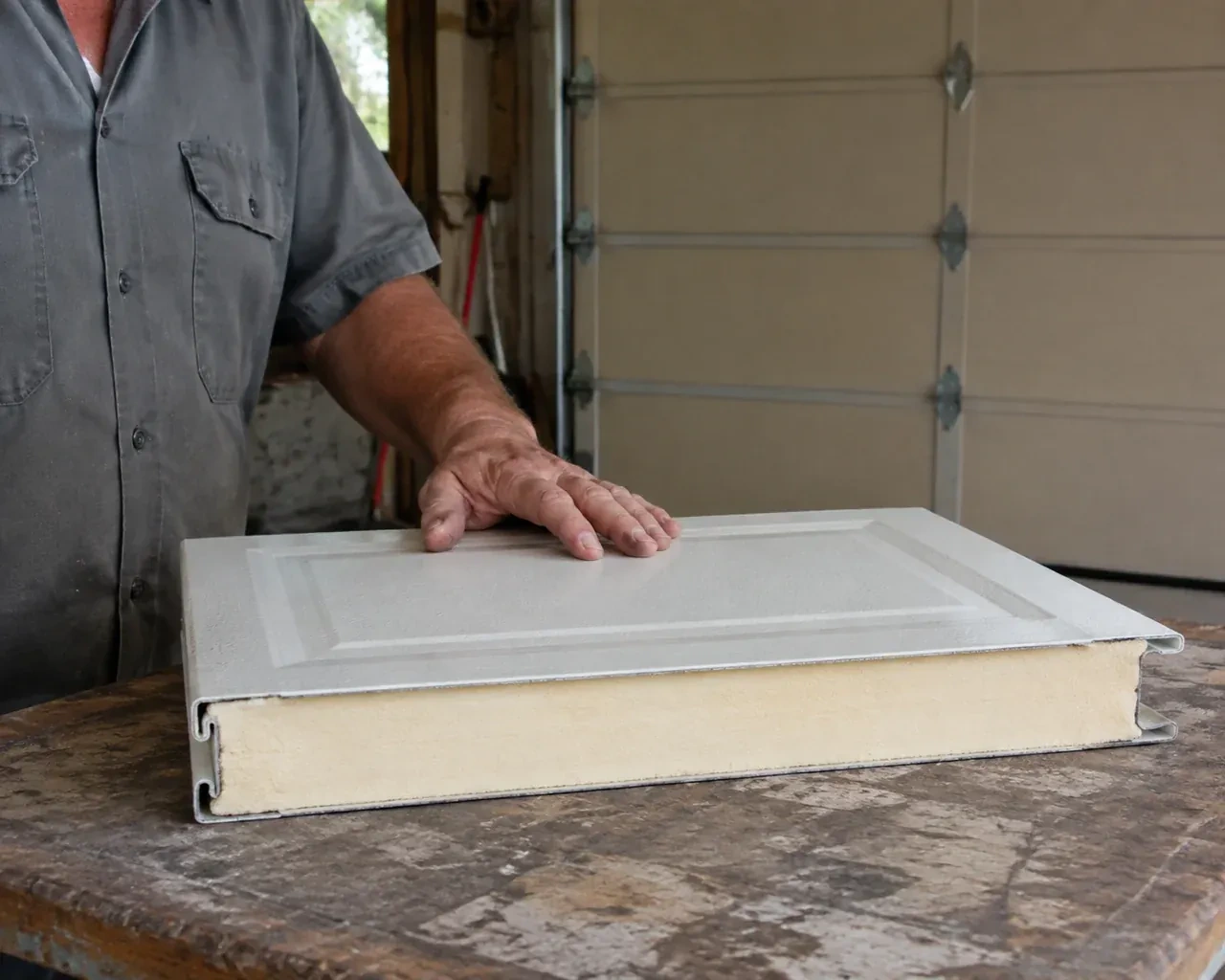
Insulation is described in different ways by different makers, and the numbers are easy to misread. We explain what a given door construction actually does for your garage in plain language before you commit to one.
The door goes up perfectly. Coming down is the trouble: partway to the floor it stops, climbs back to the top, and the light on the opener blinks at you.
The door closes, touches the floor, then climbs straight back up as if it hit something. Nothing is in the way, the sensor lights are steady, and it has been doing this since the weather turned.
Halfway up, every single time, the door hesitates and there is a ratcheting sound from the motor head, then it carries on. A closer look shows a stretch of the belt where the teeth are worn almost flat.
The opener in the ceiling is older than the car parked under it. It groans on the way up, the light fixture rattles, and there are no small sensors near the floor.
Since shelving went up along the garage wall, the door will not close and both sensor lights are dead. A screw or staple may have gone through the thin wire that runs from the opener to the sensors.
A smart hub arrived in the mail with a coin-cell sensor and two wires. The instructions ask what colour your learn button is and how old the opener is.
It is the coldest morning of the year. A week of slush and road salt has crusted over the outside release lock, the key will not seat, and the opener inside is silent after the overnight outage.
Which fix fits?
On bright afternoons the door goes down a metre, stops, and climbs back up while the light on the opener blinks.
WhyWhen permit drawings or a building designer specify wind criteria, the replacement is planned from those documents rather than from appearance alone.
The rolling door starts upward, then one side rises ahead of the other.
Should I have the door inspected when buying a house?
It answers the questions a home inspection leaves open. A general inspector confirms the door opens and closes; a door technician records the make and age of the hardware, how much life the springs and cables appear to have, whether the safety devices pass, and what to budget for. For a seller, the same report settles a buyer's questions before they are asked and shows the door was cared for.
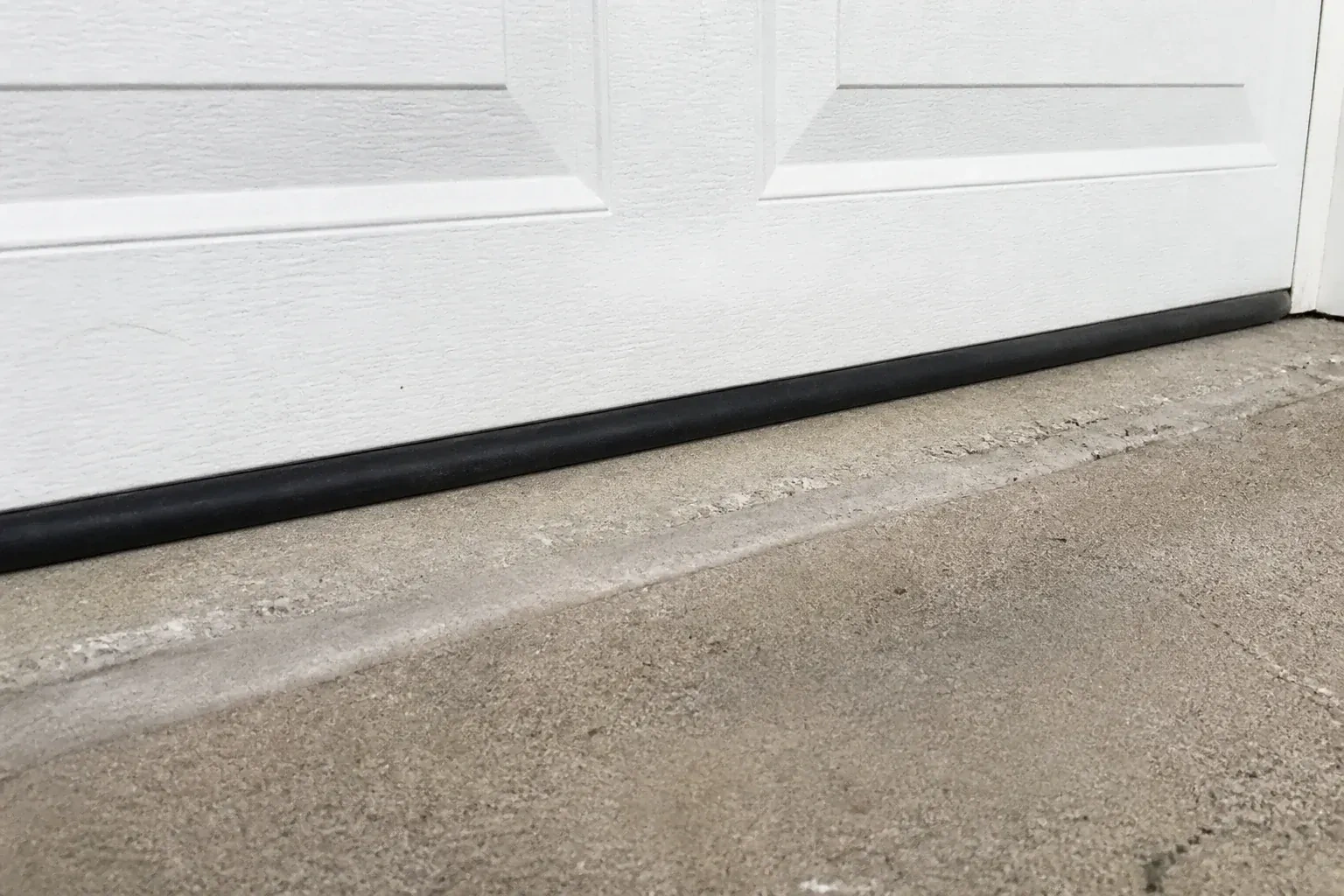
Can mice get past a garage door bottom seal?
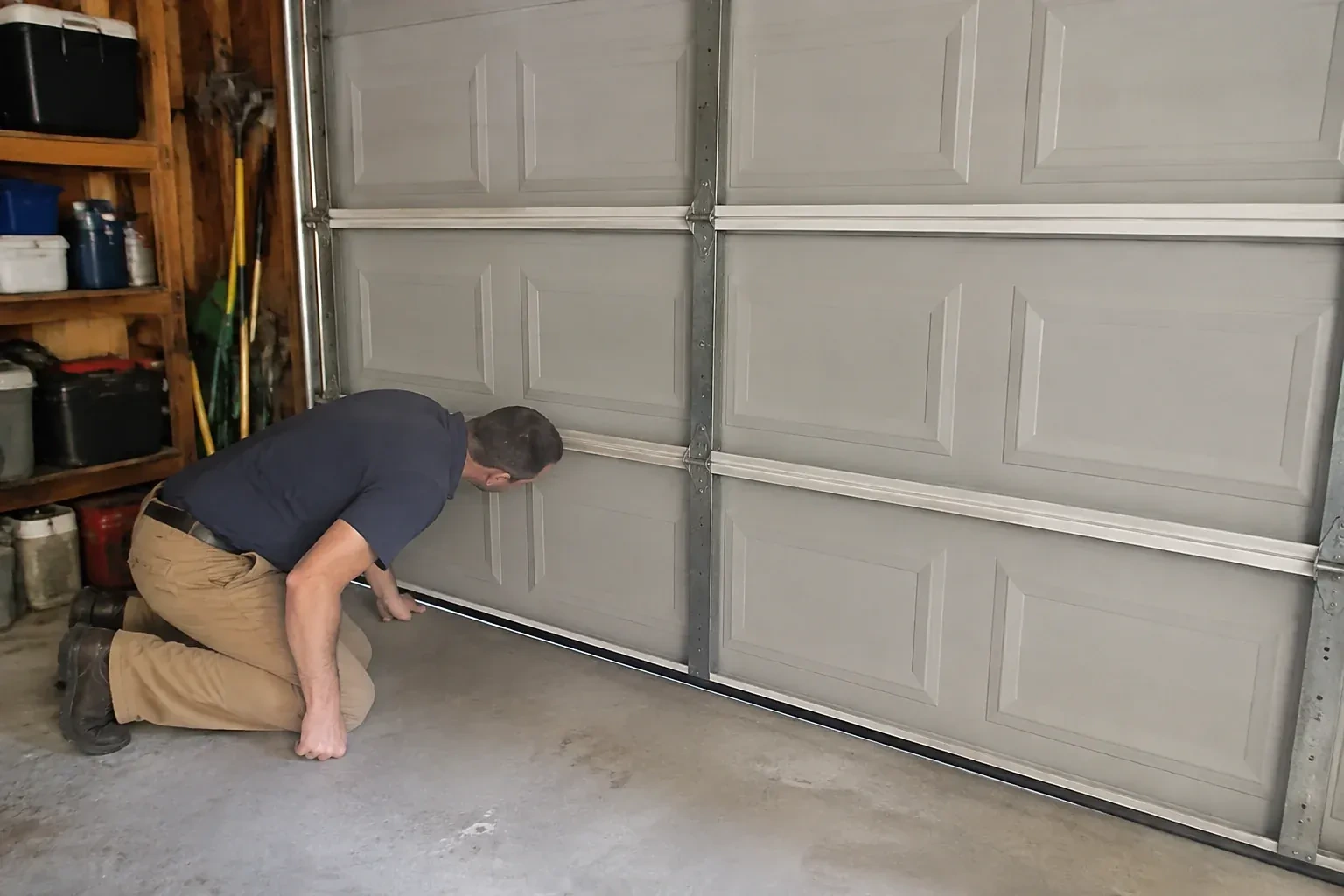
A worn, hardened or chewed seal is one of their favourite routes, and even a small gap at a corner is enough. A fresh, continuous seal sized to the floor removes that route. For a garage with repeated trouble, seals with a stainless mesh embedded in the vinyl are available and resist chewing. Keeping the jamb seals sound at floor level matters just as much, since a gap beside the door serves them equally well.
Can you replace just one side or only the top piece?
Yes, a single damaged length can be replaced when the rest is sound and still soft; the new piece is matched to the existing profile and colour and its corner is overlapped with the neighbouring fin. When the whole set is the same age and the others are hardening too, replacing all three at once gives an even seal and saves a second visit, and the technician will say which applies.
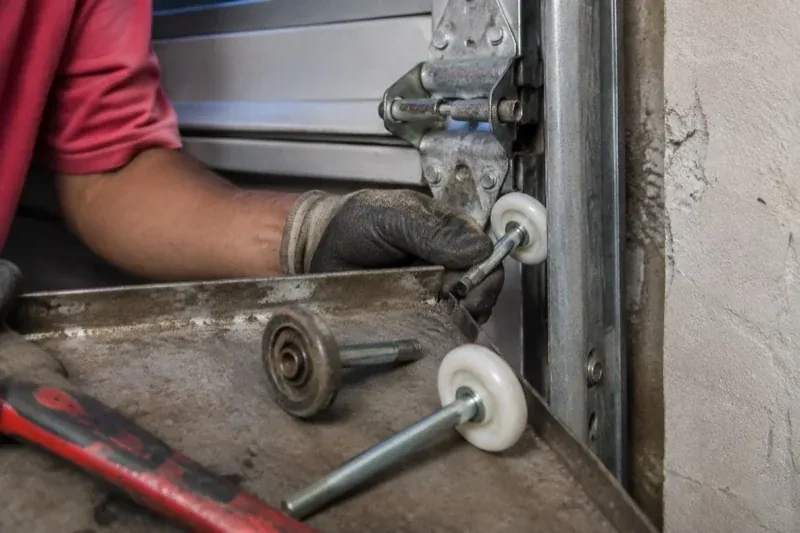
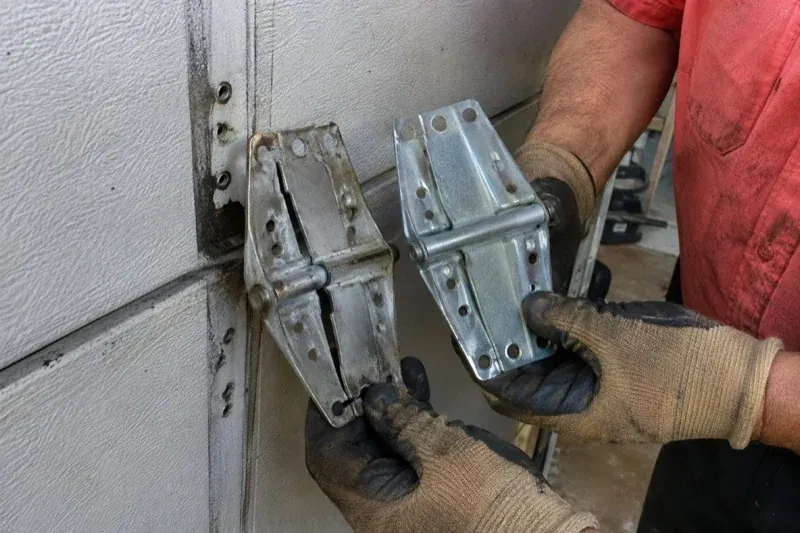
How does the technician tell rollers from hinges or track as the cause?
By watching where and when the trouble happens and then checking the parts in that spot. Rollers are spun and wiggled to reveal rough bearings and worn wheels; hinges are checked for cracks, elongated holes and loose bolts; tracks are checked for plumb, dents and spacing. A shudder at the curve tends to be rollers, a pop as sections pivot tends to be a hinge, and a rub the full height of the door tends to be track. Often more than one is involved, and the visit covers them all.
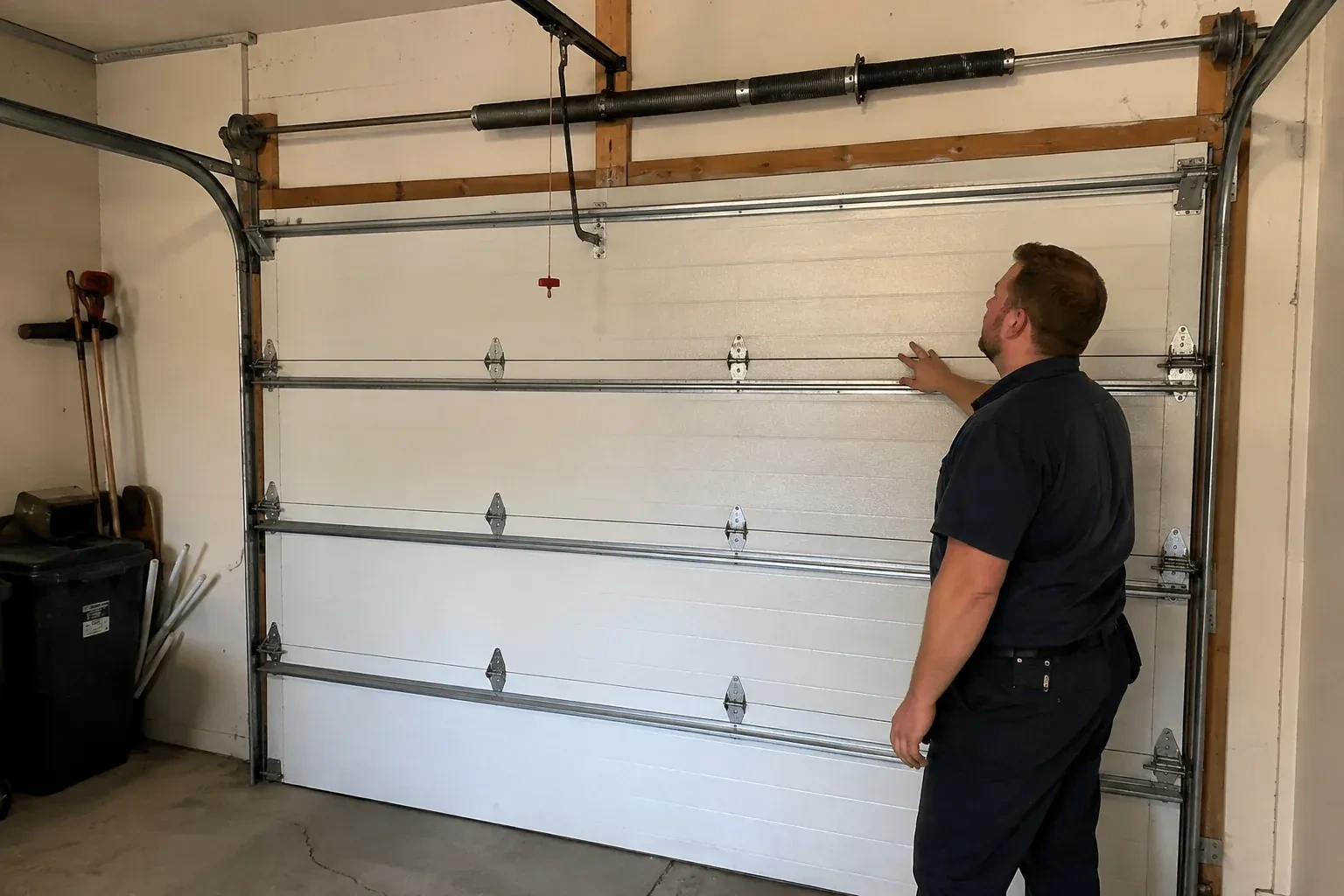
How is door balance tested?
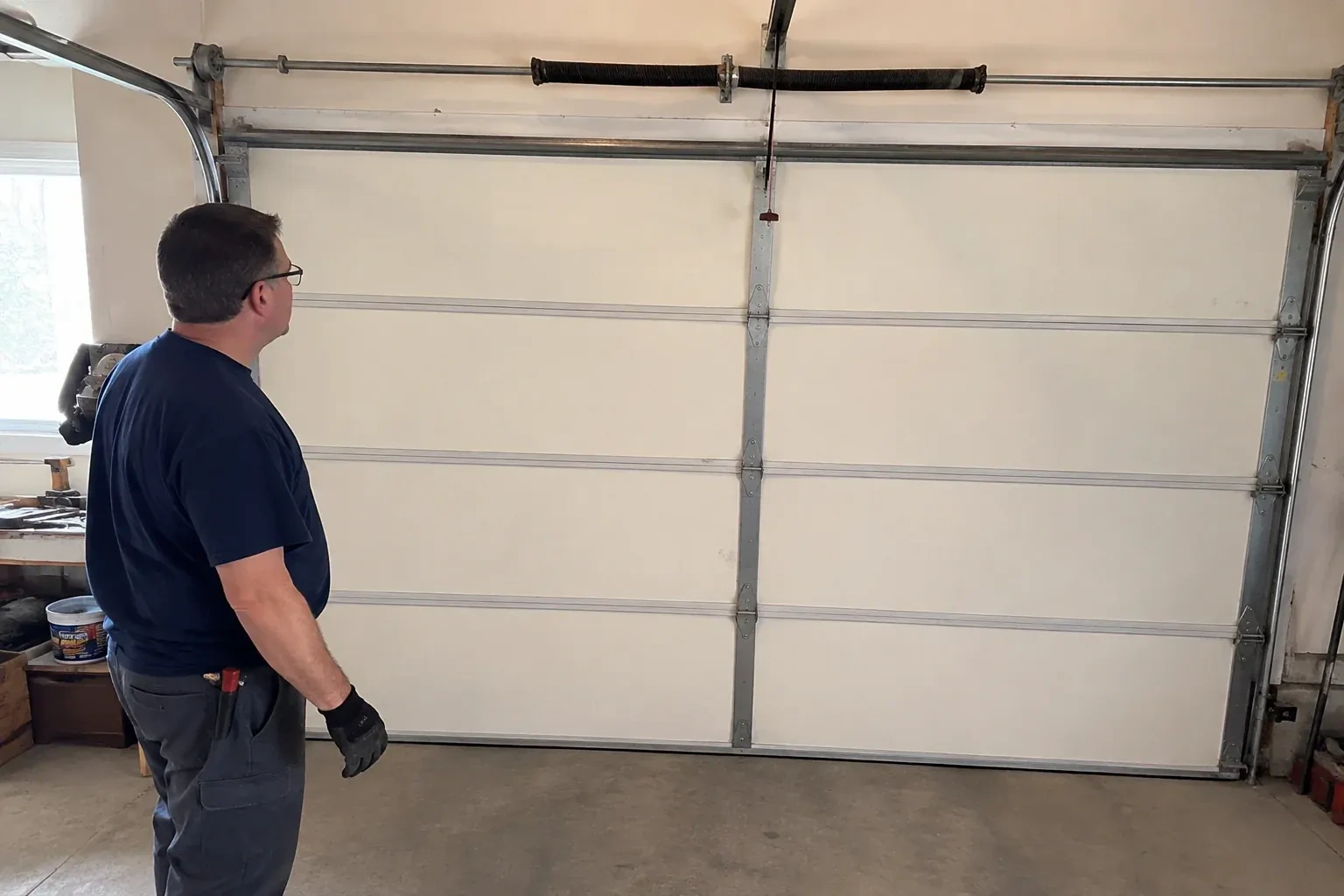
With the door closed, the opener is released so the door is free. It is lifted by hand to about a metre, then to fully open, and let go at each point. A door in balance holds its position; one that rises on its own is over-tensioned and one that drops is under-tensioned. The door should also move freely and no faster than the hand pushing it.
Why won't the new remote I bought pair with my opener?
Most often because it belongs to a different radio generation. Openers have changed their radio format several times since the mid-1990s, and a remote built for one format is silent to a receiver from another. On many makes the colour of the learn button, together with the model label, identifies your generation, and the maker's compatibility chart names the remotes that match. A universal remote that covers several generations is another route. Once the two sides share a format, pairing takes moments.
Why does the trolley run but never reconnect to the door?
Three usual causes. On many rails, pulling the cord back toward the opener deliberately holds the lever out for a spell of manual use, and someone forgot to return it. Or the trolley latch teeth or the release arm are worn or bent, so the two parts pass without catching. Or the carriage sits at the wrong point for the powered trolley to meet, since reconnecting is meant to happen during an opener cycle, not by pushing the door shut by hand. Each is a short fix once identified.
Which documents should I keep after installation?
Retain the door and opener instructions, product and component identifiers, finish details, the written scope and the record of completed checks. These items help with care and later parts identification. Keep personal access codes separately rather than adding them to a service record that may be shared with future technicians or property managers.
How are springs chosen for the new assembly?
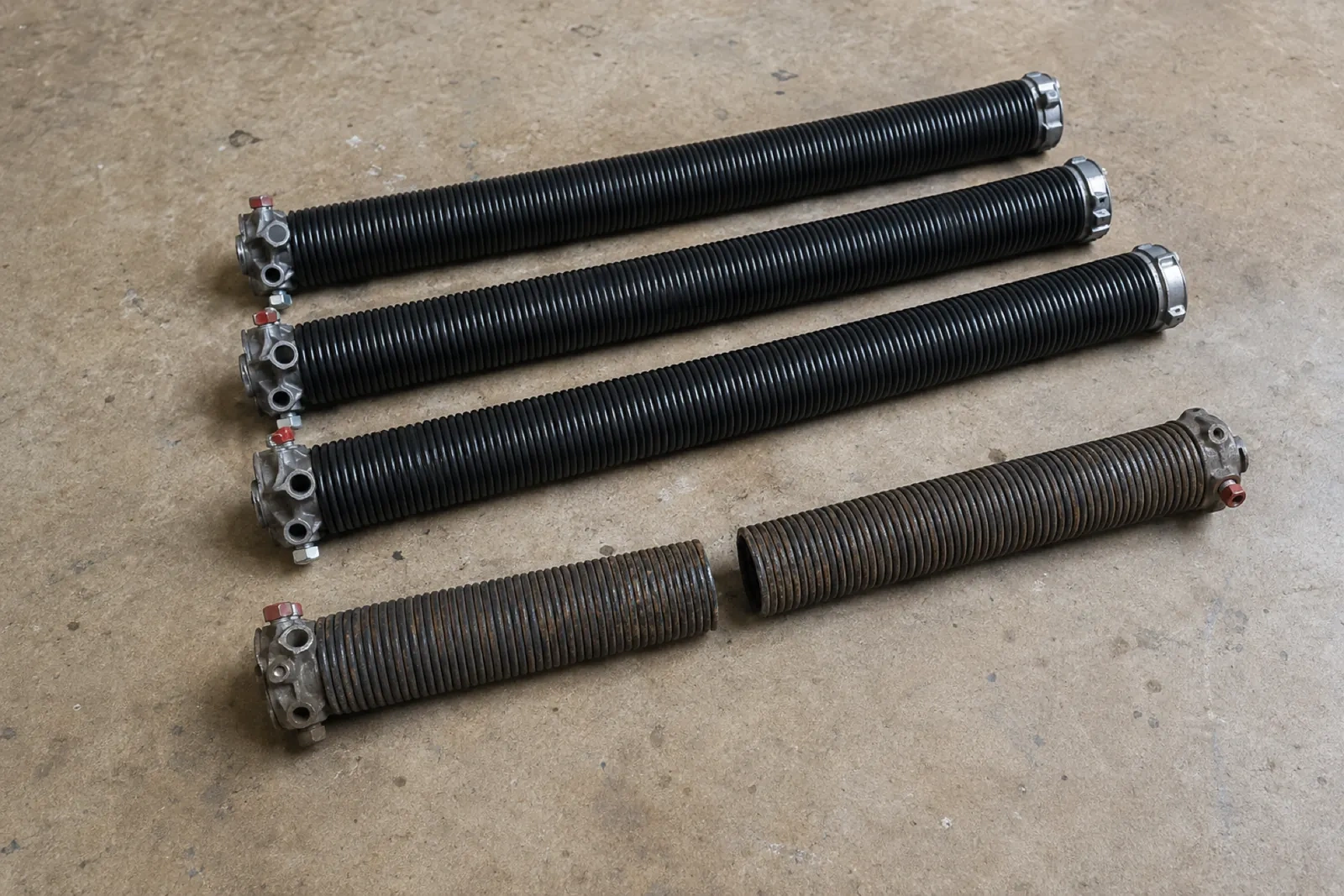
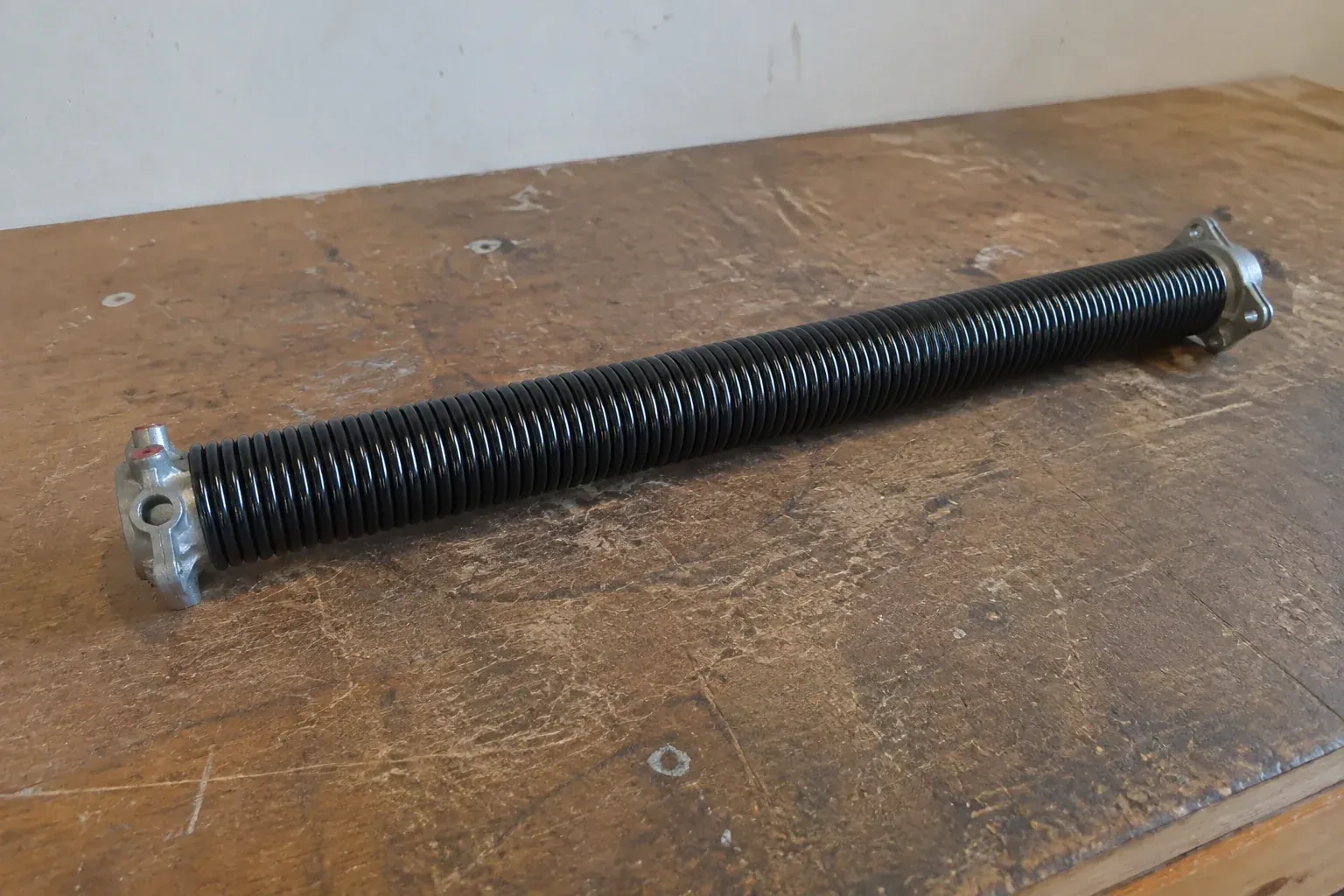
Spring selection uses the completed door's weight, height, lift arrangement, drum geometry, and expected operating cycle. Reinforcement and windows are included in that calculation. After installation, technicians apply tension with proper winding tools and check manual balance through the travel range, adjusting both sides so cables remain even and the door stays controlled.
What gets tested before the door returns to use?
Testing follows the repaired system and can include full travel, curtain tracking, bottom-bar level, open and closed limits, manual effort, brake action, controls, locks, interlocks and protective-device response. Several controlled cycles help reveal repeated contact or noise. The completed record names the checks performed instead of relying on a general statement that the door operates.
Request a visit
Our technicians in Cundles carry the winding bars, clamps, stands and gauges the work needs and use them every time, on every door. Spring sizes are measured, not guessed; cable lengths are matched to the drums; opener force is set with the door balanced. The result is a door that behaves.